Silent Hill Artist Masahiro Ito Reflects on the Personal Cost of His Konami Years

Ito's September reflection describes the time and relationships sacrificed during the original Silent Hill productions, alongside the lasting legacy of his creature designs.
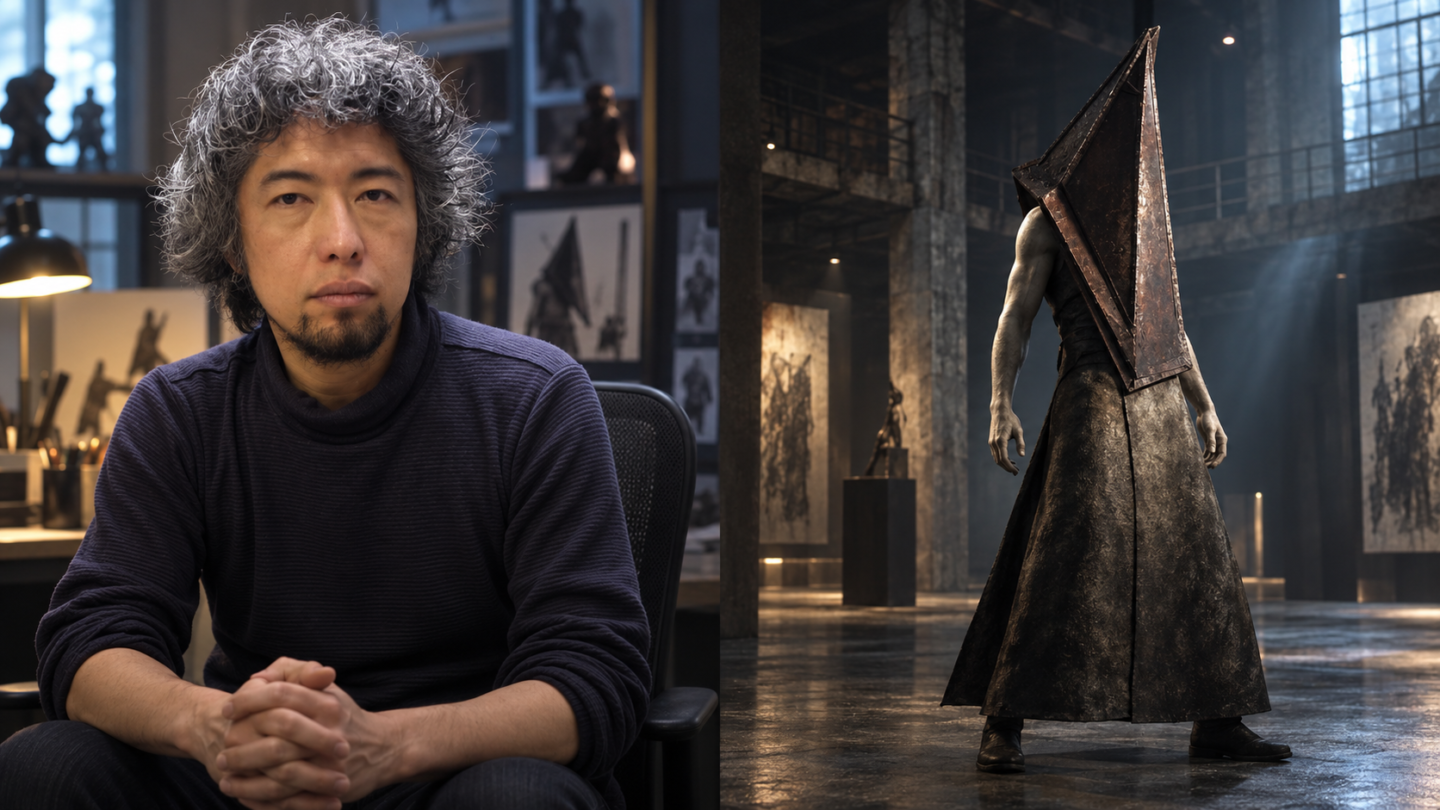
Masahiro Ito looked back on his early Silent Hill years with regret over the personal life he had little time to build. In a September reflection, the artist described how intensely work at Konami occupied the period that produced some of horror gaming’s most recognizable imagery.
In his September 4 public reflection, discussed by GamesRadar’s September coverage, Ito reflected on the intense period he spent at Konami, explaining that work consumed so much of his life that dating and relationships effectively disappeared. Across roughly eight years working on Silent Hill, Silent Hill 2 and Silent Hill 3, he said he never had a girlfriend because he simply had no time.
The work and the later reflection
| Period | Work / Reflection |
|---|---|
| Original Silent Hill productions | The earlier work Ito was looking back on. |
| September 4, 2026 | The dated personal reflection cited by the reporting. |
| Later franchise legacy | A separate history that cannot establish his present private circumstances. |
The person behind the nightmare
For players, the original games are remembered for fog-covered streets, industrial darkness and monsters that seemed to embody private fears. Ito helped give that anxiety a physical form. His creature designs were not simply enemies placed in a level; they were visual extensions of guilt, punishment and psychological trauma.
Pyramid Head became the clearest example. Introduced in Silent Hill 2, the figure was created specifically around protagonist James Sunderland’s story. Its heavy helmet, deliberate movement and oversized blade made it terrifying, but the symbolism behind it made the design endure.
That success can make the creative process look almost romantic from the outside. Ito’s comments complicate that picture. He has described stretches of exhaustion, sacrificing days off and even sleeping on cardboard during that demanding period. Looking back, he suggested that he might have been happier if he had made more room for love and an ordinary personal life.
A legacy bigger than one monster
Although Pyramid Head became a franchise icon, Ito has repeatedly emphasized that the creature belongs to the specific themes of James’s journey. Its popularity led to appearances beyond the original story, but its first role remains powerful precisely because the design had a narrative purpose.
Ito’s wider contribution is just as important. The rusted surfaces, distorted bodies and oppressive spaces of the early games helped establish a visual language that horror developers still borrow from. The series showed that fear did not need to come only from surprise. It could grow from suggestion, symbolism and the sense that every room was revealing something the protagonist wanted to bury.
The hidden price of beloved games
Stories about classic games often focus on creative breakthroughs and the finished masterpiece. They less often linger on the years of pressure behind them. Ito’s reflection is a reminder that culturally important work can emerge from conditions the people involved would not choose again.
GamesRadar connects the September 4, 2026 reflection with similar comments Ito made in 2024. Both concern his earlier working life, rather than a newly announced production role.
His account leaves room to value the games while taking the lost time seriously. Pyramid Head’s symbolism belongs to James Sunderland’s story; the missed relationships Ito describes belong to the artist’s own history. A character’s lasting popularity cannot answer whether its creator would choose the same working life again.
Source: Masahiro Ito’s public reflections, as reported by GamesRadar+.