Riot Outlines 2XKO’s Final Content Updates and Continued Server Access

Riot's August plan ends active development while retaining online access. Its schedule separates the final champion, possible fixes, mode changes and refund routes.
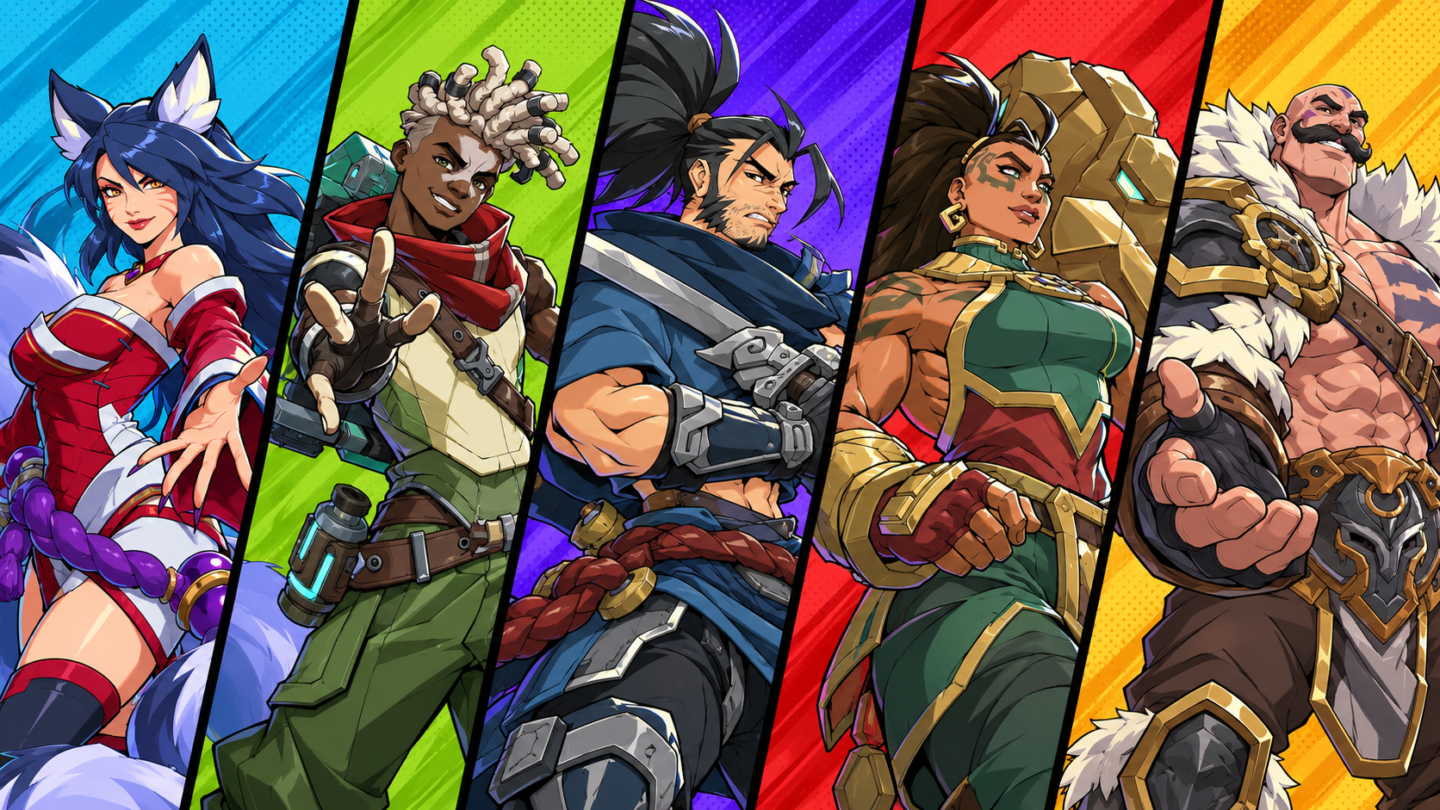
Riot’s published August 20 plan for 2XKO ends major content development while keeping online servers running beyond 2026. For existing players, the announced changes concern which modes remain, the final champion and fixes, and how eligible purchases are refunded.
PC Gamer’s account of Merrill’s remarks describes the Riot co-founder defending the attempt and discussing competition for players’ attention. The more concrete account of the outcome comes from Riot’s August 20 announcement.
The milestones in Riot’s August plan
| Milestone in Riot’s August plan | Player consequence |
|---|---|
| September patch 1.3.1 | All champions unlocked; Ranked removed; skill-based Casual matchmaking and Private lobbies retained. |
| October patch 1.3.3 | Samira planned as the final champion and the final major content update. |
| December | An optional final bug-fix patch rather than another major content season. |
| Beyond 2026 | Online servers continue, with offline play unaffected. |
The announcement also describes refunds for eligible earlier purchases. Riot hoped to finish PC refunds by November; console refunds go through the relevant platform or provider. Individual transaction records and platform instructions determine whether a specific refund has completed.
The schedule gives the remaining community a more precise picture of the game it can continue playing. Ranked’s removal changes competitive matchmaking, while the end of major content changes expectations for roster expansion. Riot’s stated plan preserves Casual matchmaking, Private lobbies and offline play.
Why Riot is ending active development
Riot says it evaluated retention, new players, and engagement as well as revenue. It reports that substantial updates did not produce a sustained change large enough to support continued development.
That creates a more specific question than whether people liked the characters. A player may download a free fighting game, enjoy a few matches, and still never choose it for the next evening. Getting that first session is different from winning the third or twentieth.
Merrill’s defense treats the project as an experiment worth attempting, even with a disappointing business outcome. Riot’s announcement describes the harder problem of sustaining a routine audience after the first sessions. It identifies the measures considered without supplying individual players’ reasons for leaving.
What continued access means for the community
Removing Ranked changes the reason some players open a fighting game, even when Casual matchmaking and private lobbies remain. One person may value an organized ladder; another may mainly want reliable matches with a known group. Continued access therefore does not mean the experience stays identical for every part of the audience.
The end of major content creates another change in expectations. A player can continue learning an existing character without expecting another seasonal roster expansion. For a community organizing events, the practical questions become the stability of the available build, the supported modes, and the clarity of future service notices.